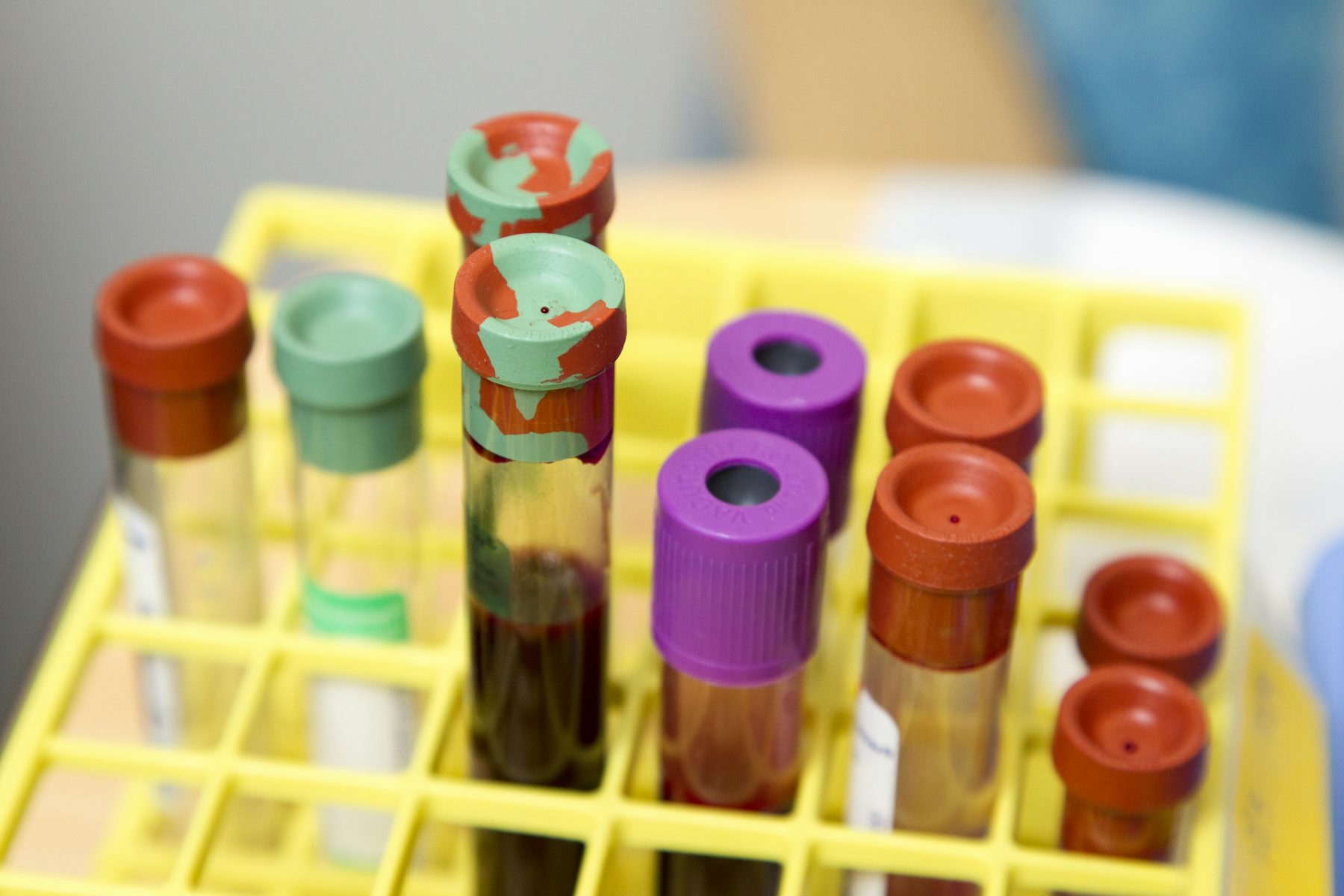
Antibiotics are medicines used to treat bacterial infections. They can be life-saving when prescribed for the right infection, but they may also affect bacteria that normally live in the digestive tract. These organisms form part of the gut microbiome. Changes can occur during treatment and may continue for a period afterwards, but the scale and duration vary according to the antibiotic, dose, length of treatment, a person's health and their existing microbiome.

How antibiotics affect gut bacteria
Antibiotics target bacteria that cause infection, but many medicines cannot distinguish perfectly between harmful bacteria and harmless or beneficial bacteria. Some groups of gut microbes may be reduced, while others become relatively more abundant. This can change the way the community uses nutrients and produces substances such as short-chain fatty acids.
The microbiome is resilient in many people and may move towards its previous pattern after treatment, although recovery is not identical for everyone and some changes can last longer. It is not useful to think of the gut as needing to be “sterilised” or completely reset. The microbiome is complex, and routine commercial microbiome tests generally cannot tell an individual exactly what treatment or diet they need.
Why diarrhoea can happen
Antibiotic-associated diarrhoea is a recognised side effect. It may be mild and settle during or shortly after treatment. Antibiotics can alter digestion and the balance of gut organisms, and the medicine itself may also irritate the digestive system. Loose stools can have other causes too, including the infection being treated, another infection or a change in diet.
A more serious cause is infection with Clostridioides difficile (often called C. difficile). Antibiotics can reduce protective gut bacteria and allow this organism to multiply and produce toxins. It can cause watery diarrhoea, abdominal pain, fever and inflammation of the bowel. The risk is higher with some antibiotics and in certain healthcare settings, but it can occur in other circumstances. Prompt assessment is important if diarrhoea is frequent, severe, persistent or accompanied by fever or significant pain.
Take antibiotics exactly as prescribed
Use antibiotics only when prescribed for you and follow the instructions from your prescriber or pharmacist. Do not share them, use leftover courses or stop, extend or change the dose on your own. If side effects develop, contact the prescriber or pharmacist for advice. They can decide whether the medicine should be changed or whether you need assessment. Do not delay urgent help for a severe reaction.
Antibiotics do not treat viral infections such as colds and most coughs. Taking them when they are not needed exposes you to side effects and contributes to antimicrobial resistance, making bacterial infections harder to treat. Good antibiotic use protects both individual patients and the wider community.
Can food support recovery?
There is no special “gut reset” diet proven to restore the microbiome after every antibiotic course. If you feel well enough, return to a varied eating pattern with vegetables, fruit, whole grains, beans, nuts and other fibre-containing foods as tolerated. These foods provide substrates that gut microbes can use. Increase fibre gradually if your usual intake is low, as a sudden increase can cause gas or bloating.
Drink enough fluid, particularly if stools are loose. Oral rehydration solutions may be useful when diarrhoea causes fluid and salt losses; ask a pharmacist or clinician whether one is appropriate. If you have been given dietary advice for another condition, follow that advice rather than making broad changes based on microbiome claims.
What about probiotics?
Some probiotic products have been studied for preventing antibiotic-associated diarrhoea, but results vary by strain, dose, population and product. Evidence for one formulation cannot be assumed to apply to all supplements or fermented foods. Probiotics are not a substitute for medical assessment and should not be used to treat suspected C. difficile infection.
People who are severely ill, immunocompromised, have a central venous catheter or have complex medical conditions should seek medical advice before taking probiotic supplements, because rare complications have been reported. If considering one, discuss the evidence and suitability with a pharmacist, GP or dietitian. Check the product's strain information, storage instructions and expiry date; supplement quality can vary.
Reducing avoidable problems
Tell your prescriber about allergies, previous antibiotic side effects, recent antibiotic courses and other medicines you take. Take the medicine with food only if the label or pharmacist says this is appropriate; some antibiotics have specific food, dairy or mineral interactions. Read the patient information leaflet and ask if instructions are unclear.
Handwashing with soap and water is particularly important when caring for someone with diarrhoea or C. difficile, because alcohol hand gel does not reliably kill C. difficile spores. Follow healthcare or public-health advice about cleaning shared bathrooms and laundry if infection is suspected or confirmed.
When to seek medical advice
Contact a healthcare professional if diarrhoea starts during or after antibiotics and is persistent, worsening or more than mild. Seek urgent advice for blood in the stool, fever, severe abdominal pain, repeated vomiting, signs of dehydration or frequent watery diarrhoea. Call emergency services for signs of a severe allergic reaction, such as difficulty breathing, swelling of the tongue or throat, or collapse.
Key point
Antibiotics can temporarily change the gut microbiome, but they remain essential medicines when appropriately prescribed. Take them as directed, report significant side effects and focus on ordinary hydration and balanced food rather than unproven detoxes or expensive “reset” programmes.
Further information: NHS: Antibiotics and NHS: C. difficile.

The items below are optional tools or reading related to this topic. They are not treatments, and a product listing is not evidence that a product will improve symptoms. Check suitability and product information before buying.
As an Amazon Associate, Gut Health Glossary earns from qualifying purchases.
This article is intended for general educational purposes. It is not a diagnosis or a substitute for advice from a qualified healthcare professional. Seek medical advice about symptoms or concerns specific to you.