What water does during digestion
Water is involved in almost every stage of digestion. It forms part of saliva, helps food move through the digestive tract and is absorbed alongside nutrients and electrolytes. The large intestine absorbs water from the material passing through it, helping form stool. If the body is short of fluid, stool may become harder in some people, although constipation has many causes and hydration alone will not resolve every case. Adequate fluid intake supports normal body function, but drinking excessive amounts does not “flush toxins” from the bowel or cleanse the digestive system. The kidneys and liver already perform essential waste-processing functions. The sensible aim is to avoid dehydration and meet your own fluid needs, not to force a fixed quantity of water.
How much fluid is enough?
There is no single target that suits every adult in every situation. Needs vary with body size, activity, temperature, pregnancy and breastfeeding, diet, fever, vomiting, diarrhoea and certain medical conditions. UK public-health advice commonly uses six to eight cups or glasses of fluid a day as a general guide, with more needed in hot weather or during prolonged physical activity. This is a guide rather than a rule or a test of health. Thirst, urine colour and how often you pass urine can offer clues, but they are not perfect measures for everyone. Some medicines and health conditions alter fluid balance. If you have heart, kidney or liver disease, or have been told to restrict fluids, follow your clinical team's specific instructions rather than general advice.
Which drinks and foods count?
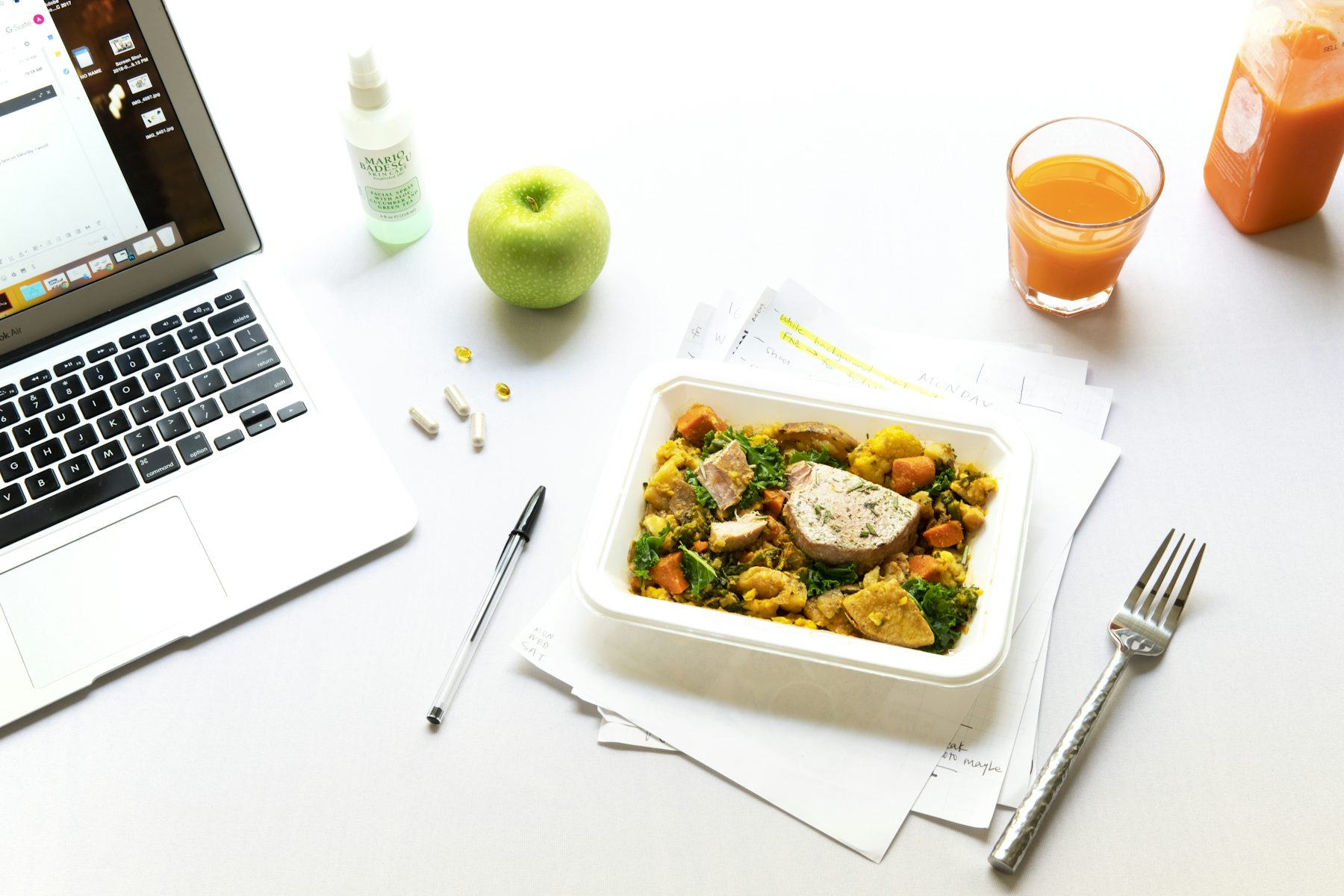
Plain water is a convenient choice, but it is not the only source of fluid. Tea, coffee, milk and sugar-free drinks contribute to hydration for many people. Foods with high water content, including soups, fruit and vegetables, also add fluid. Caffeinated drinks need not automatically be excluded, although large amounts of caffeine can affect sleep or cause symptoms in some people. Alcohol is not a good hydration strategy. Choose drinks that fit your health needs and preferences; if plain water is unappealing, try chilled water, sparkling water or water flavoured with slices of fruit. People with swallowing difficulties may need thickened fluids or other specialist advice, so should not change fluid consistency without guidance.
Hydration, fibre and constipation
Fibre and fluid work together, but simply drinking more water is not a universal constipation treatment. Some fibres absorb water and help soften stool; if you increase fibre substantially while drinking too little, symptoms may worsen. A practical approach is to add fibre gradually, drink regularly through the day and include movement where possible. A regular toilet routine and responding to the urge to pass stool can also help. Constipation may be linked to medicines, reduced mobility, changes in routine, pregnancy, pelvic-floor problems or underlying illness. If constipation persists despite sensible changes, or is accompanied by pain, blood, unexplained weight loss or a lasting change in bowel habit, seek medical advice instead of repeatedly increasing water intake.
Dehydration and warning signs
Thirst, a dry mouth, dark yellow urine, passing urine less often, tiredness and light-headedness can be signs of dehydration. Symptoms can be harder to recognise in older adults and young children, and illness can increase fluid losses quickly. Vomiting and diarrhoea may require oral rehydration solution, which replaces both water and salts; ask a pharmacist or clinician when this is appropriate, especially for children, older people or anyone with long-term conditions. Severe dehydration can be dangerous. Confusion, unusual drowsiness, fainting, rapid breathing or a fast heartbeat need urgent assessment. Do not rely on a water bottle alone if someone is seriously unwell or unable to keep fluids down.
Build a realistic drinking routine
Keeping a drink within reach, having water with meals and taking regular breaks can make hydration easier. A bottle with volume markings may help someone notice how much they drink, but there is no need to monitor every sip if that creates stress. Increase intake during heat, exercise or illness only in line with your needs and any medical restrictions. If you are caring for someone who may not notice thirst, offer drinks regularly and observe changes in urine output and alertness. Older adults may have a weaker sense of thirst, while some medicines increase the risk of dehydration or affect kidney function. If a person is frail, confused, unable to drink or passing very little urine, seek prompt medical help. Further reading: NHS information on water, drinks and hydration. Hydration is one part of digestive health, not a cure-all.

The items below are optional tools or reading related to this topic. They are not treatments, and a product listing is not evidence that a product will improve symptoms. Check suitability and product information before buying.
As an Amazon Associate, Gut Health Glossary earns from qualifying purchases.
This article is intended for general educational purposes. It is not a diagnosis or a substitute for advice from a qualified healthcare professional. Seek medical advice about symptoms or concerns specific to you.